



PIRSE operates through a comprehensive governance and membership structure as a Swiss non-profit association. Our membership encompasses individual members, collective members, and honorary members who support our mission and participate in our General Assembly, ensuring that our work reflects the needs and perspectives of the broader health-environment community.
PIRSE operates through a dual governance structure comprising a Steering Committee that provides operational leadership and strategic oversight, and an International Advisory Committee of multidisciplinary experts that guides research priorities and validates our scientific approach.
Our International Advisory Committee brings together specialists from environmental toxicology, public health, social sciences, and policy studies. This expert network ensures that our work maintains scientific standards while addressing the interconnected nature of environmental health challenges.
The Steering Committee, detailed below, combines academic and operational experience across research, policy, law, and practice. Each member contributes specialized knowledge that enables PIRSE to address health-environment challenges through multiple perspectives, from laboratory research to policy implementation.
This governance model reflects our commitment to interdisciplinary approaches, creating the synergies necessary to develop evidence-based solutions for health-environment issues.
Who are we ?
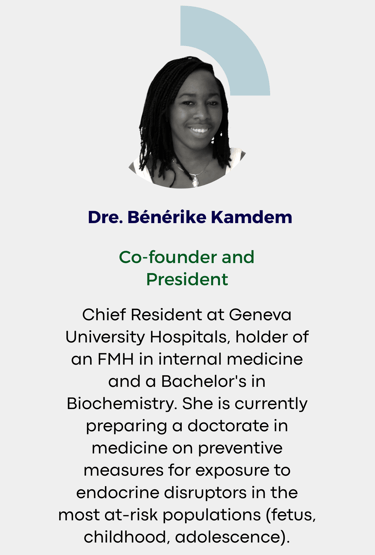
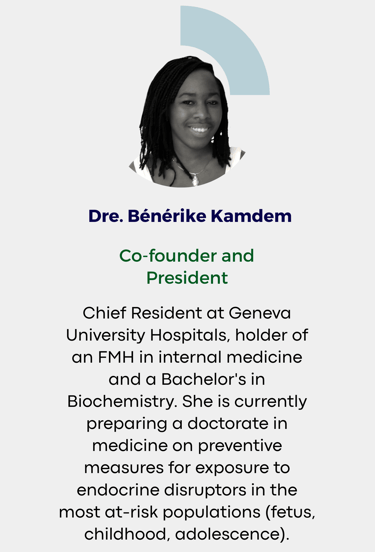
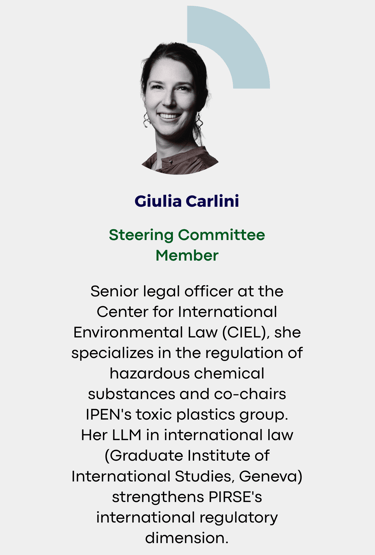
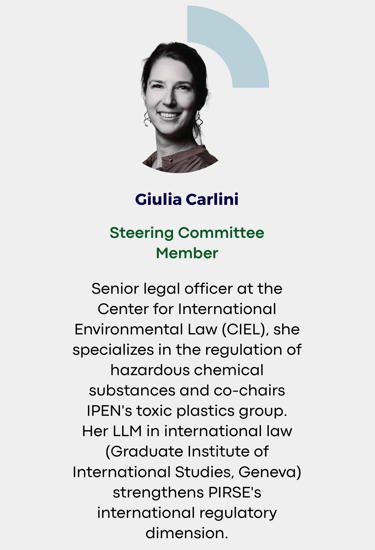
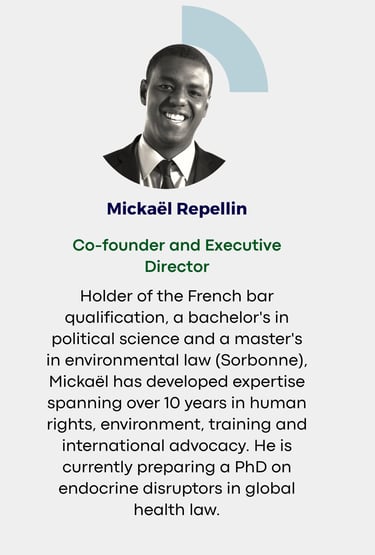

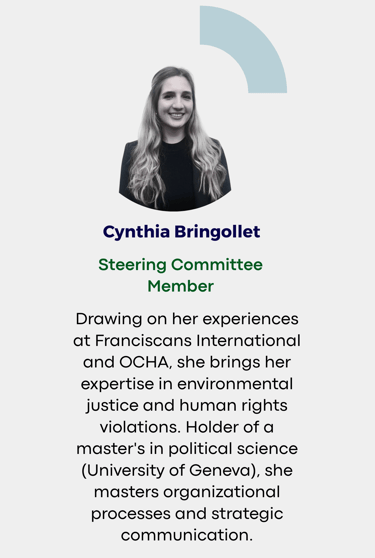
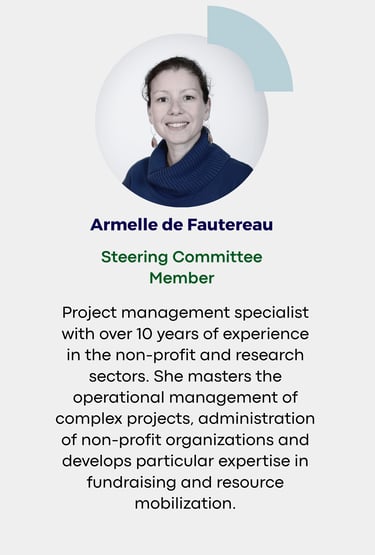
Steering Commitee
Prof. Nathalie Chèvre
Associate Professor of Ecotoxicology at the University of Lausanne. Her research focuses on the risk of chemical mixtures for the environment, with particular expertise in pesticides, micropollutants, and endocrine disruptors in aquatic and terrestrial ecosystems.
Prof. Francesco Panese
Full Professor of Social Studies of Medicine and Science at the University of Lausanne, affiliated with the Institute of Social Sciences and the Institute of Humanities in Medicine. His research focuses on the sociology of environmental risks, the institutional dynamics of scientific knowledge production, and environmental exposure inequalities.
Prof. Leonardo Trasande
Jim G. Hendrick MD Professor of Pediatrics and Director of the Division of Environmental Pediatrics at NYU Grossman School of Medicine, with joint appointments at the Wagner School of Public Service and the College of Global Public Health at NYU. A globally recognised authority on the economic burden of endocrine disruptors — his research has established annual disease costs of $340 billion in the US and €163 billion in Europe. A Harvard-trained physician, he represents the Endocrine Society at the Global Plastics Treaty negotiations.
Dr. Edmée Baliff
Doctor in anthropology, specialising in public health and parenthood. Her research focuses on vulnerabilities specific to the perinatal period and early childhood, and on how families perceive and navigate environmental health risks.
Dr. Aurélie Berthet
Doctor in biology and Head of the Environmental Health Unit at UNISANTÉ. Her work focuses on environmental exposures in relation to public health, with particular attention to vulnerable populations and actionable levers for healthcare professionals.
Dr. Valentine Python
Doctor in environmental sciences and climatologist, former member of the Swiss National Council. She combines rigorous scientific expertise on chemical substances with an in-depth understanding of Swiss legislative processes, particularly regarding the regulation of endocrine disruptors.
Julie Wuerfel
Head of Sustainability and Participation at the City of Lausanne. Her experience within a municipal administration provides concrete expertise on translating scientific knowledge into local policy and on actionable levers at the territorial level.